Learn music
Book a trial lesson Pick a date and time that suits you Courses See which courses you can take Enrollment Enroll after the trial lesson Gift voucher Give music lessons as a gift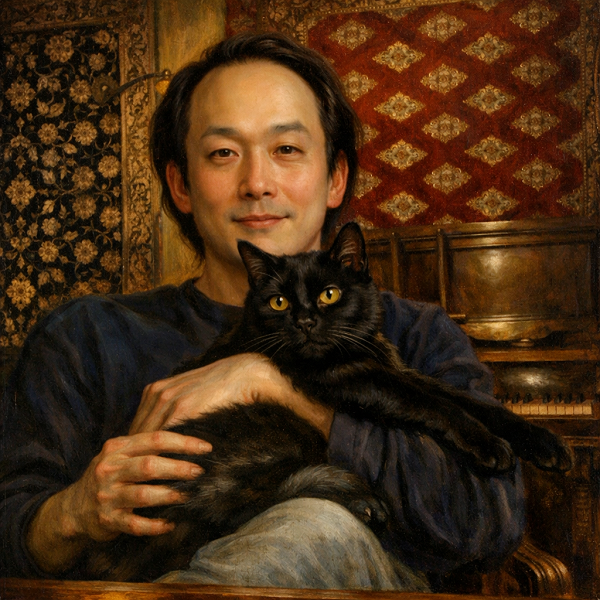
Shintaro Kawahara
Shintaro Kawahara
Intro
I’ve added a few more available slots on my lesson calendar, but they are not completely fixed since I sometimes have concerts or rehearsals in the evenings, or I need to reserve time for my own practice. It would be wonderful if someone could take mornings hours slot on a regular weekly basis.Semi-professionals or serious amateurs are very welcome.
First of all, I’m glad you found my information here.
However, I must say that I’m often disappointed to see many unqualified amateurs presenting themselves as professional pianists or teachers.
Because private teaching doesn’t require certification, anyone can advertise themselves as a “piano teacher.”
For beginners, it can be difficult to tell the difference — and that can be risky for motivated students.
I’ve had several students come to me after taking lessons from such “fake teachers,” and unfortunately, I often had to rebuild their technique from the very beginning.
I can relate to this personally.
I also struggled for years because my first piano teacher was not able to guide me properly.
Only several years later, I was lucky enough to study with teachers who had real experience as concert pianists.
Since then, I’ve spent more than ten years retraining myself, rebuilding my technique, and undoing bad habits.
It took an enormous amount of effort, but it was worth it.
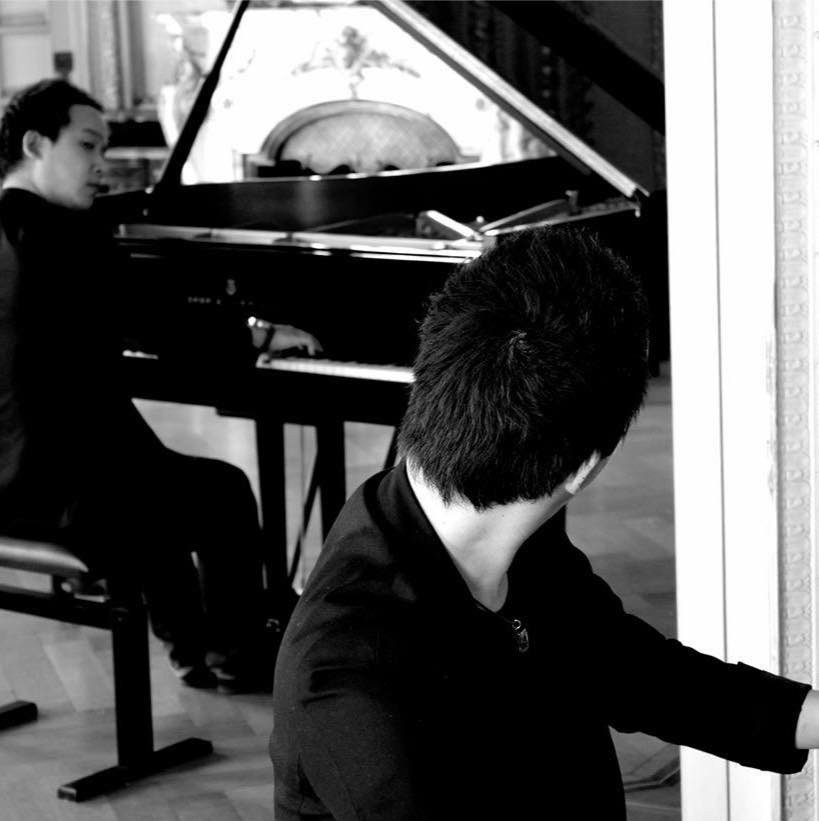
Now I truly understand what went wrong, and you can see some of the results in my videos here.
Through this process, I became very aware of how to use my body efficiently and naturally at the piano, and I’ve gained much more flexibility and control.
I would be happy to share what I have learned with you.
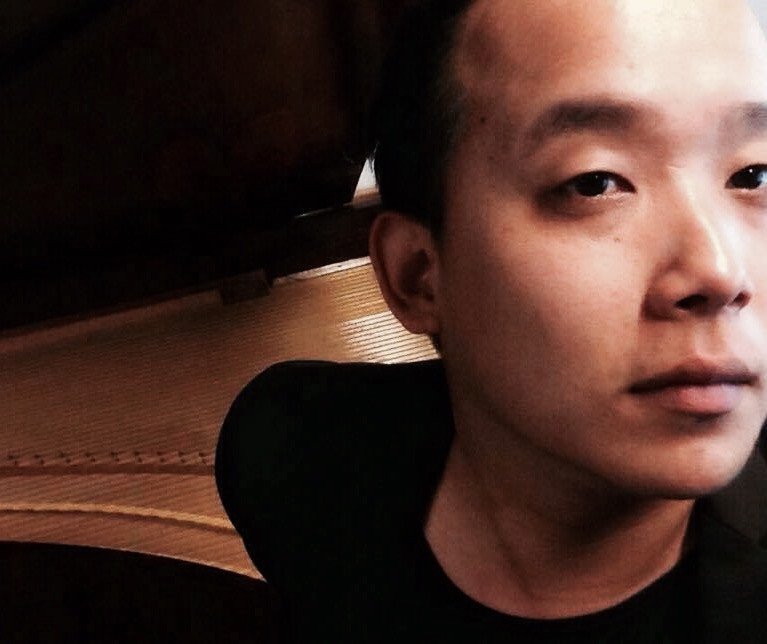
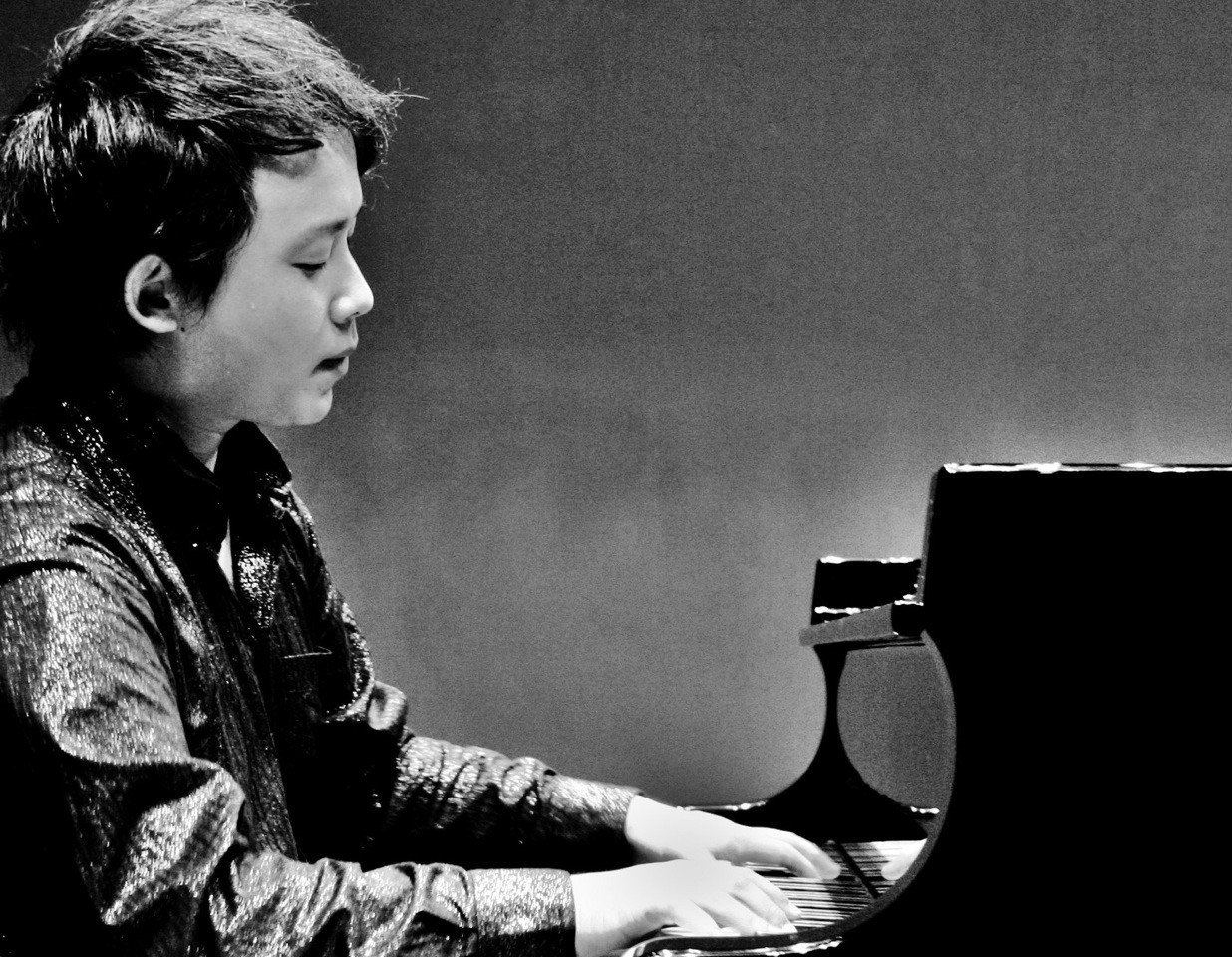
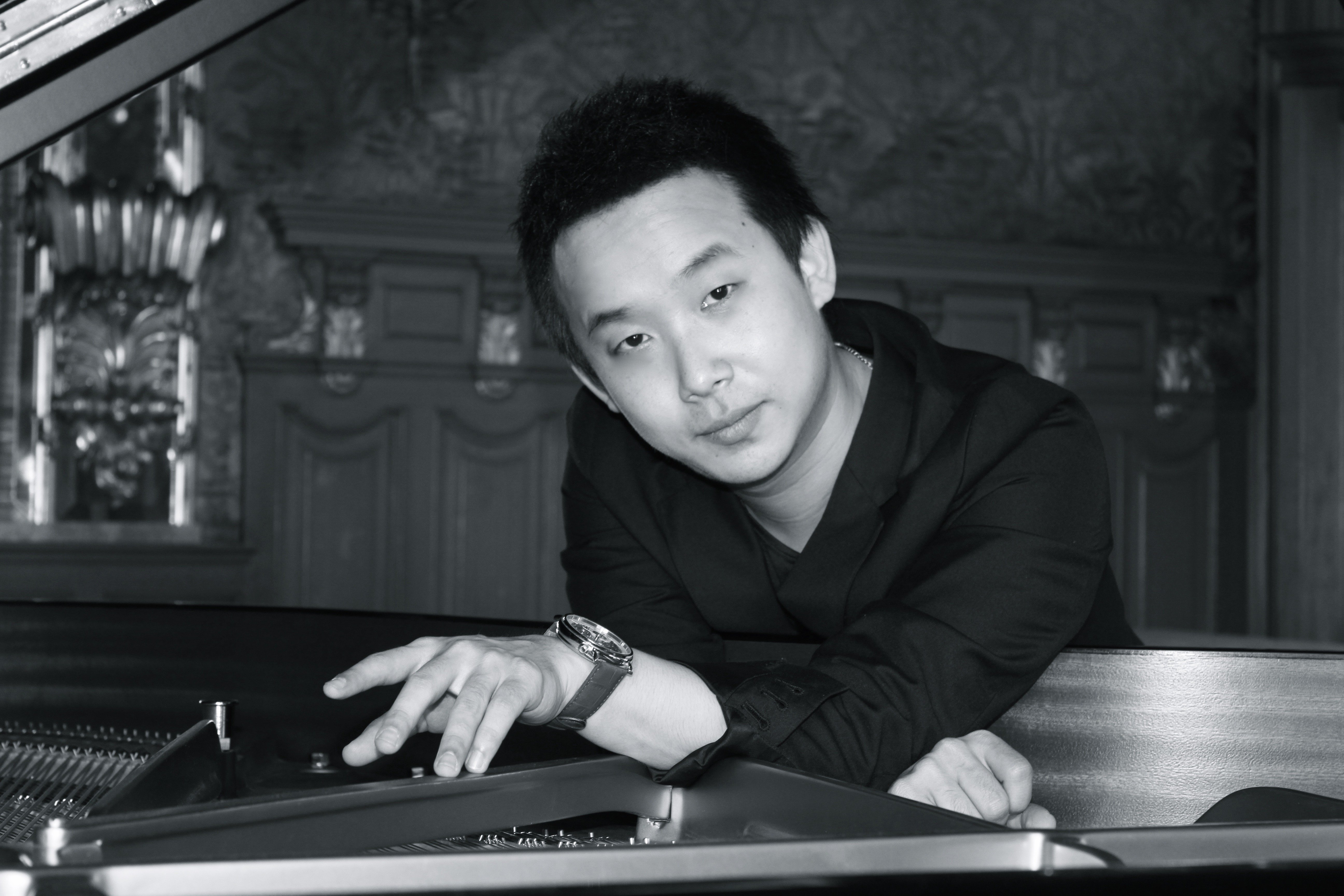
Photos & video
This YouTube video cannot be shown because marketing cookies have not been accepted.
This YouTube video cannot be shown because marketing cookies have not been accepted.
This YouTube video cannot be shown because marketing cookies have not been accepted.
This YouTube video cannot be shown because marketing cookies have not been accepted.
This YouTube video cannot be shown because marketing cookies have not been accepted.
This YouTube video cannot be shown because marketing cookies have not been accepted.
This YouTube video cannot be shown because marketing cookies have not been accepted.
This YouTube video cannot be shown because marketing cookies have not been accepted.
This YouTube video cannot be shown because marketing cookies have not been accepted.
This YouTube video cannot be shown because marketing cookies have not been accepted.
This YouTube video cannot be shown because marketing cookies have not been accepted.
This YouTube video cannot be shown because marketing cookies have not been accepted.
This YouTube video cannot be shown because marketing cookies have not been accepted.
This YouTube video cannot be shown because marketing cookies have not been accepted.
Piano lessons
Examples of Lesson Programs by Age and Level
Early Childhood Class (Ages 4–7) – 45 minMusic begins with feeling.
Through movement and singing with solfège (do–re–mi), children naturally learn rhythm, pulse, and the basics of reading notes.
What they sing and feel with their bodies is then explored on the keyboard, connecting listening, singing, and playing into one organic experience.
Example materials:
- Burnam’s Piano Technic (Introductory level)
- Easy pieces from Notebook for Anna Magdalena Bach
- Selections from Leopold Mozart’s Notebook for Nanner
- Methode rose
Children’s Class (Ages 7–12) – 60 min
Building upon the foundation of sound and technique acquired in early childhood, students develop a deeper understanding of music as a language.
They explore the essential elements—pulse, rhythm, scales, and harmony—through a variety of styles from different historical periods.
The aim is to nurture not only technical ability but also imagination, sensitivity, and self-expression.
Example materials:
- French Baroque works by Couperin and Rameau
- Czerny Op. 139 (100 Progressive Studies)
- Bach: Two-Part Inventions
- Schumann: Album for the Young
- Bartók: Mikrokosmos
- Contemporary works for children by Japanese and French composers
Advanced Children’s Class (Ages 12 and up) – 60 min
At this stage, students work toward independent musicianship and expressive depth.
They learn to read and analyze scores more deeply, understand form and style, and shape sound consciously.
Both technical development and artistic expression are emphasized.
For those preparing for competitions or entrance exams to music schools, individual programs are designed accordingly.
Example materials:
- Czerny Op. 299, Op. 740, Hanon some other exercises, scales and arpeggios
- Bach: Sinfonias, The Well-Tempered Clavier, Rameau, Couperin, Byrd, Gibbons's keyboard works.
- Sonatas by Haydn, Mozart, Beethoven earlier sonatas before Op. 49
- Major works by Schubert, Mendelssohn, Chopin, Schumann, Liszt, Brahms, Franck, Faure, Debussy, Ravel, Albeniz, Falla, Monpou and so on
- Concertos may also be included as needed.Piano works of the 20th–21st centuries (including Japanese composers)
Adult Class (All Levels) – 60–90 min
Lessons are tailored to each individual’s level and goals—from learning to read music to refining performance at a semi-professional level.
Whether you are a beginner, returning to the piano after a break, or seeking to deepen your artistry, the lessons are designed to meet you where you are.
Together we explore repertoire that enriches both technique and musical understanding.
For: Beginners and returning pianists, Adults studying piano for personal enrichment, Those wishing to study theory, solfège, or analysis alongside performance, Pianists preparing for chamber music, accompaniment, or concert performance
Professional / Competition Class – 90 min
Aimed at students preparing for entrance to conservatories, competitions, and professional performance careers.
The focus is not only on technical mastery but also on analysis, stylistic understanding, and the exploration of tone color.
Students interested in historical performance practice or fortepiano can receive specialized instruction.
Main areas of study:
- Systematic technical training (scales, arpeggios, etudes)
- Analysis and stylistic study of works from all periods
- In-depth interpretation of sonatas, concertos, and contemporary pieces
- Program planning and stage preparation for concerts and competitions
- Integrated study of theory, aural skills, and music history
About the Instruments
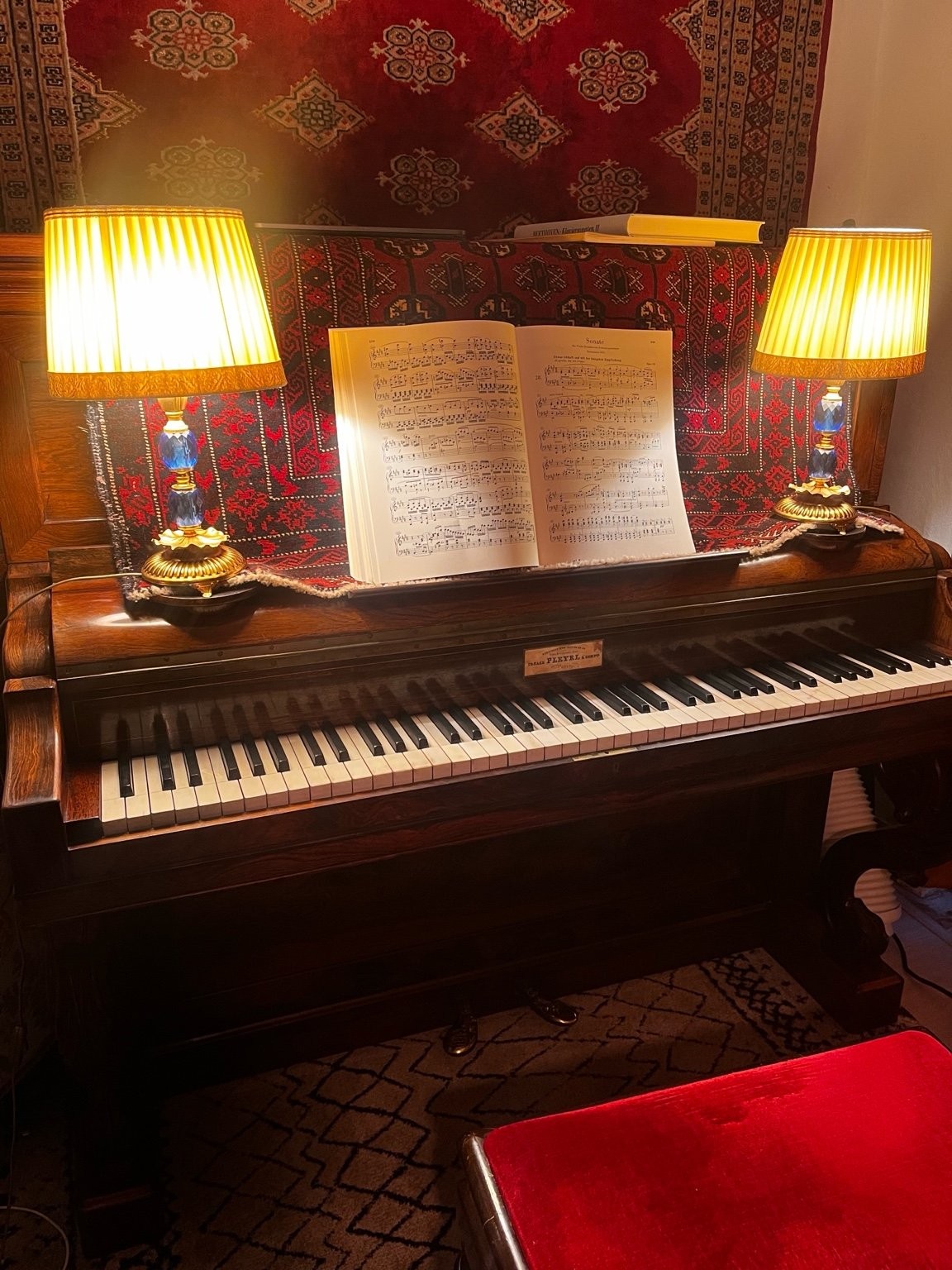
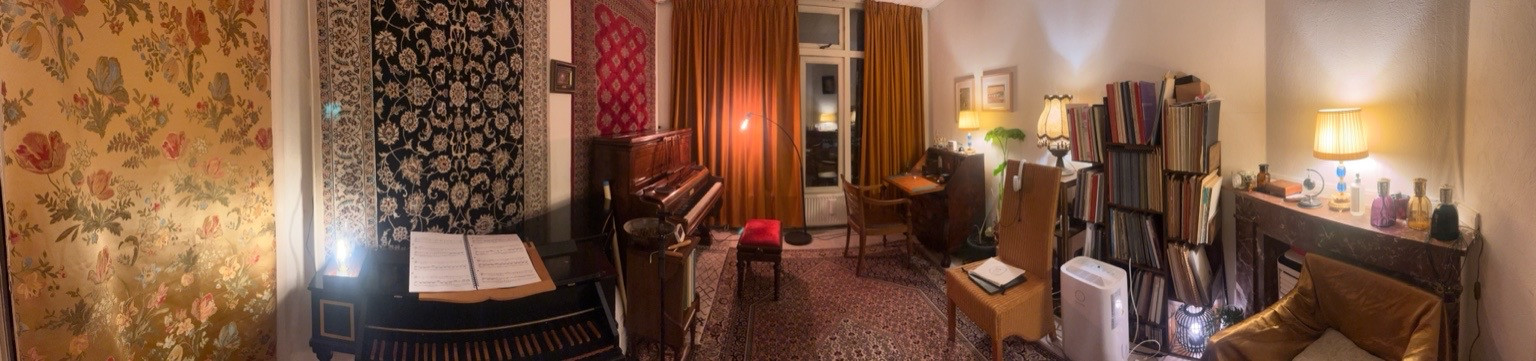
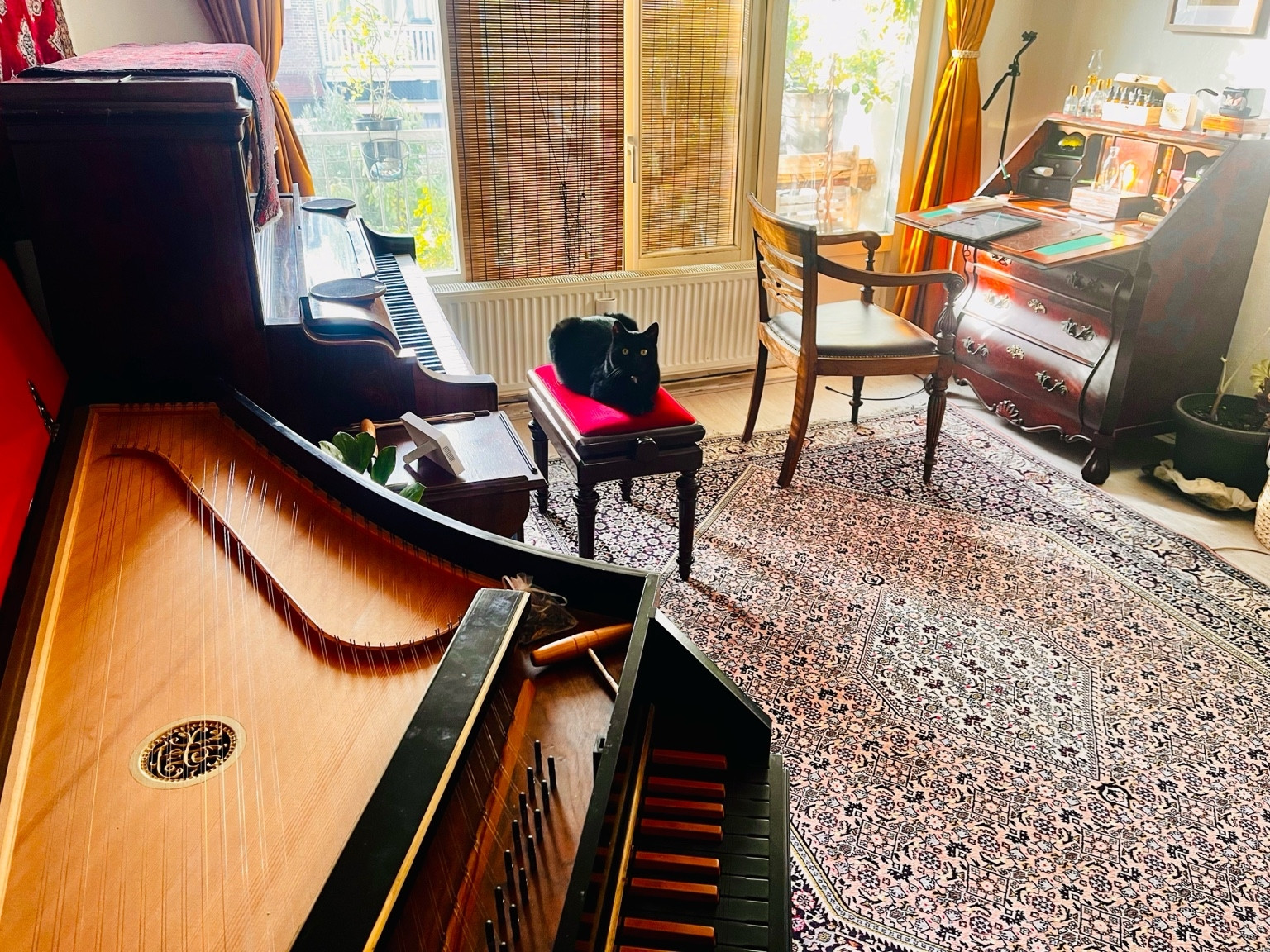
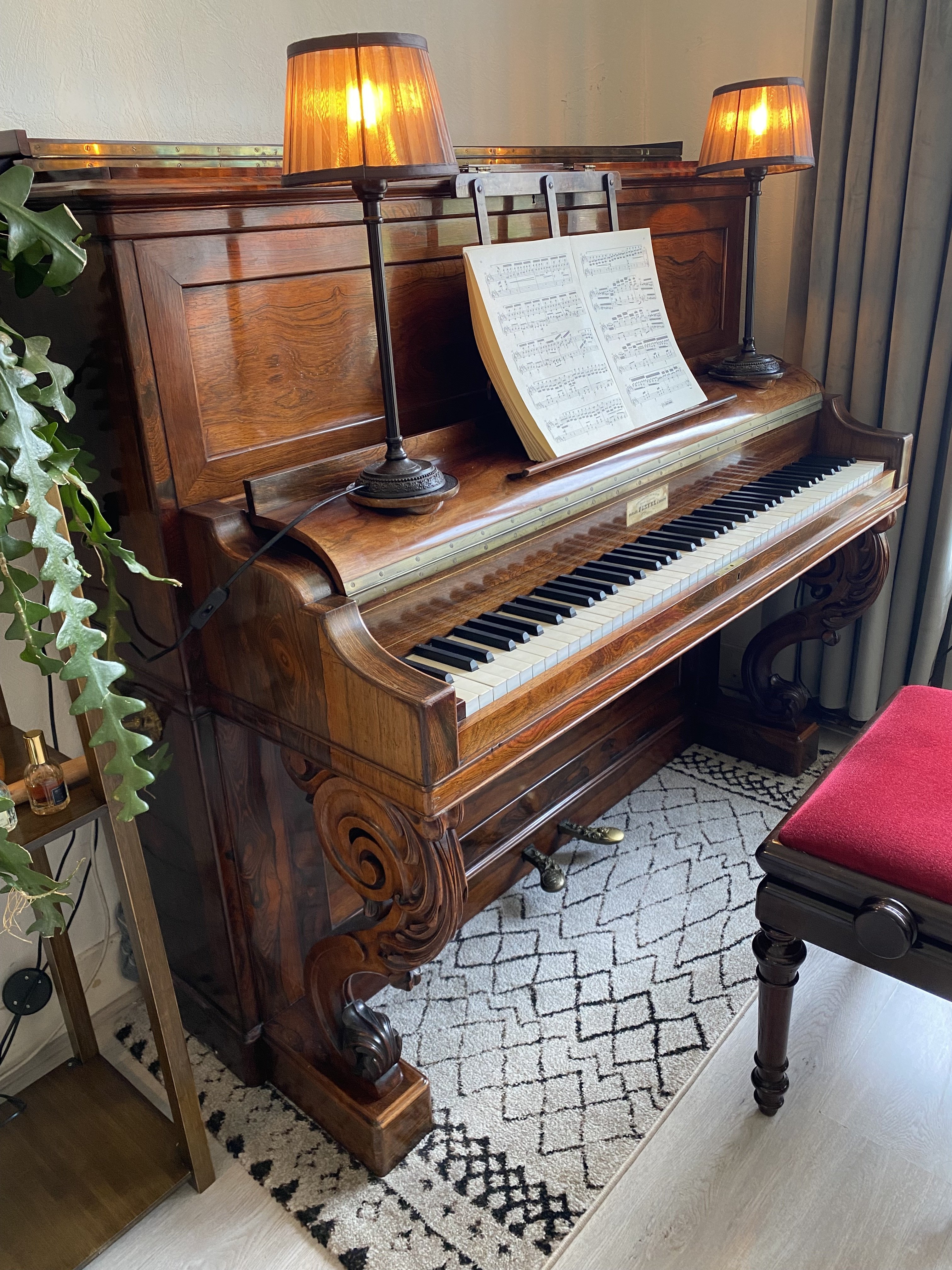
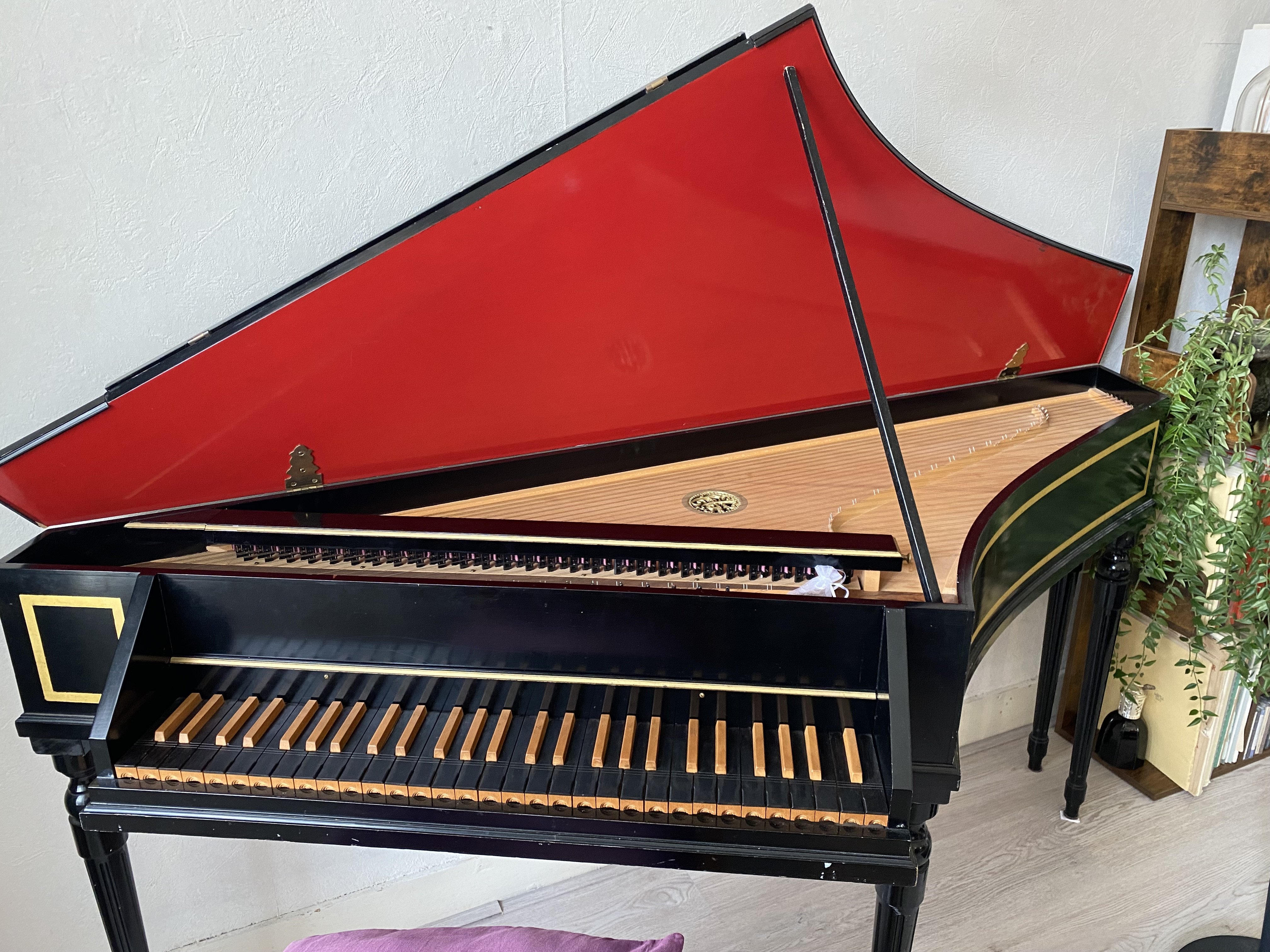
This room houses an original Pleyel upright piano from around 1850, as well as a small harpsichord.
Neither instrument is tuned in modern equal temperament.
The Pleyel is tuned to A = 438 Hz, using a historical tuning practice once referred to by Parisian tuners of the time as “souple”—a system in which thirds are softened and overtones blend naturally, creating a warm and flexible sonority.
The harpsichord is tuned in well temperament at A = 415 Hz.
Both instruments are regularly and carefully tuned by the owner, in accordance with their historical character and musical purpose.
*the termination requires one month notice
Reviews
Laurens
After 37 lessons
Shintaro is een uitzonderlijke pianoleraar met een vlijmscherp oor en een indrukwekkende kennis van klassieke pianomuziek (en grote pianisten). Zijn lessen zijn veeleisend, maar tegelijk inspirerend - zelfs met hier en daar een vleugje poëzie. Hij leert je niet alleen beter spelen, maar vooral beter luisteren. Als concertpianist beschikt Shintaro over grote technische vaardigheden, maar bij hem staat alles altijd in dienst van muzikaliteit. Klank en expressie staan centraal, zijn lessen ademen liefde en eerbied voor muziek. Een docent die je als pianist én als musicus laat groeien.
Yonghui
After 50 lessons
I adore and like my teacher greatly. He is first very skillful in teaching, teaching you how to play professionally with your heart going on. And he is much patient even though I usually can't play well during the class. It's really a great pity that I have to say goodbye due to some important personal issues. I'll memorize our precious times and keep practicing wisely during the rest of my life!
Carlo
After 33 lessons
I am a hobbyist piano player that just started playing for 6 months with the help of Shintaro. It is amazing to see the improvements that I am making every week. Every lesson feels focused and purposeful. Shintaro is very good at identifying weaknesses in my technique and gives easy to follow homework assignments to improve my techniques. But what I find truly remarkable is that he also gives me a deeper understanding of music. The feeling that goes with the music, the history and context. You can clearly tell that Shintaro is very knowledgeable and passionate about sharing music. He is an amazing pianist and teacher, and I am glad to have Shintaro as my teacher.
Bartłomiej
After 8 lessons
I started my lessons with Shintaro only a month ago, but I am already seeing immense progress thanks to his dedication, patience, and passion. Shintaro stops at nothing to improve my playing, each lesson showing me not only what to change but also how to fix it. Even when there are many things to work on, it never feels overwhelming because he is always incredibly patient, friendly, and understanding. Knowing that it is okay to struggle helps me relax and motivates me to practice more. I am glad that I chose Shintaro as my piano teacher.
Alina
After 11 lessons
My daughter Louisa started piano lessons with Shintaro in September, and we’re really happy with how things are going! Shintaro is great with kids — patient, encouraging, and always positive. He has a really good teaching method that makes learning fun and effective. Louisa looks forward to her lessons every week! He plays beautiful classical music, which really inspires her, and he’s helped her build a solid technique from the start. You can tell he truly cares and pays attention to what each student needs. We feel lucky to have found him — highly recommended for any young beginner who wants to learn piano in a supportive and inspiring way!
Kaye
After 35 lessons
Our daughter has been taking piano lessons with Shintaro for about a year and half now and we are so happy with how much she’s grown. It’s amazing to see how her playing and her confidence have improved over time. Shintaro teaches with passion and care. He knows how to push her just enough to keep improving but also makes the lessons enjoyable and encouraging. We are truly grateful for his patience, professionalism, flexibility and commitment to helping his students reach their full potential. Highly recommended!!
Anonymous
After 22 lessons
I have been taking lessons with Shintaro for about 10 months and I am super happy with the progress. He challenges me at every step and offers insights on how I can improve. The attention to detail with which he teaches is amazing.
Alex
After 41 lessons
Ik heb veel geleerd van Shintaro en ben erg dankbaar voor zijn tijd en geduld bij elke les. Erg tevreden!
Wytze
After 18 lessons
Zeer professionele en vakbekwame leraar. Past zijn lessen goed aan op wat er nodig is, en zijn passie voor muziek werkt aanstekelijk.
Nabiha
After 2 lessons
Het perfecte leraar
About me
They say a child’s soul is formed by the age of three.
Yesterday I finished a solo performance. Once again, it became clear that the nervous fragility caused by not receiving the optimal training during the most important period of life—the early childhood years when the foundations of playing are built—has gradually revealed itself.
In classical piano, unless one acquires almost the full range of technique by the age of twelve or thirteen, it becomes extremely difficult later on. A famous Japanese pianist often said this, and I believe she was absolutely right. No matter how desperately one works for decades afterwards, it is hard to compete with those who were trained properly at the right age, when the muscles still have the necessary quality and flexibility. And this difference has a major effect on concentration in performance.
In addition, when I now play pieces such as the black-key études or Ravel’s sonatine—works I forced myself to play back then despite not having a solid technique—my hands naturally try to return to the bad shapes they had learned at the time, no matter how much I try to correct them. This is something that often fills me with despair.
Moreover, the fear of having to perform pieces in public that I actually could not yet play, and the experiences of failure that followed, have remained as trauma. Even now, just before going on stage, those feelings resurface. To be completely honest, I have never once experienced the kind of deep, fulfilling joy on stage that people often talk about.
Ironically, at the time my piano teacher sent me a book about “strengthening the mind.” But that was not really the issue. Even back then, it left me with a lingering sense of confusion.
At the library I read books by Tobias Matthay, Neuhaus, Hofmann, and Josef Lhévinne, and tried desperately through trial and error to learn how to play properly. But at fourteen or fifteen, I think the content was still a little too difficult to fully grasp. In the end, what is truly necessary is guidance from a teacher who has real performing experience and can observe you from the outside and give appropriate direction.
If I had a time machine and could go back, I would go and meet my younger self and teach him every day. I sometimes wonder how much repertoire I might now be able to recall easily from memory, and how long I might have continued playing into old age, if I had truly learned to play properly at that time.
But thinking about such things is futile. So today again I practice passages of thirds slowly, and when teaching my students I explain—loudly —the relationship between fingering and articulation, and how to use the body, even if it annoys them.
Rates
Adjust your options
Good to know
We show prices based on 30 minutes so they are easy to compare. The minimum lesson length depends on what the teacher offers.
Are you 21 or older? Please note the 21% VAT surcharge
Pianoles
Always start with reading notes and rhythm properly ;)
depends of each level of you guys and I'm always flexible with students's needs. But most important thing is keep practicing everyday even for five minutes!
Please describe about yourself and your relationship with piano or musical experiences when you write me first time. I need to know what you expect with me then I can make trial lesson. I do not prefer to be booked without having it.
Let op!
the availabilities do NOT always stay as they are on the calendar. You need to ask me before bookings.
Locations
De kaart kan niet worden weergegeven omdat marketing-cookies niet zijn geaccepteerd.
Questions for the teacher
Stel Shintaro hier je vraag
Ready to get started?
See Shintaro's availability and book a trial lesson!
- 1 Book a 30-minute trial lesson
- 2 Get to know each other and discuss your goals
- 3 Keep scheduling at your own pace